

 By
By Property disputes in Dubai can be time-consuming, expensive, and stressful if they escalate to court. For many owners, investors, landlords, and developers, mediation offers a faster, more practical solution—one that preserves value and relationships while achieving legally sound outcomes.
What Is Mediation in Property Disputes?
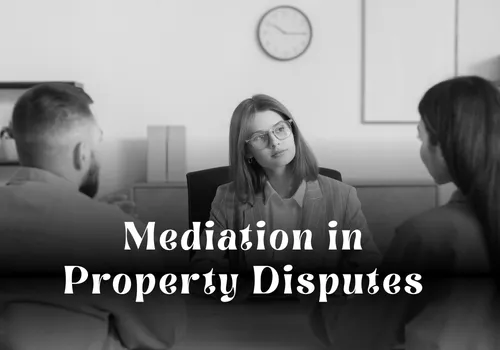
Mediation is a structured negotiation process where a neutral third party (the mediator) helps disputing parties reach a mutually acceptable settlement.
Key features:
- Voluntary (unless contractually required)
- Confidential
- Non-binding until a settlement is signed
- Focused on resolution, not blame
Unlike litigation, mediation prioritizes solutions over confrontation.
Regulatory Context for Property Disputes in Dubai
Property disputes operate within the regulatory framework of the Dubai Land Department and its regulatory arm RERA.
For rental matters, disputes may also involve the Rental Dispute Settlement Centre, where mediation is often encouraged before formal adjudication.
Common Property Disputes Suitable for Mediation
Mediation is particularly effective for:
- Landlord–tenant disputes (rent, maintenance, eviction timelines)
- Service charge disagreements
- Construction defect rectification issues
- Off-plan delay negotiations
- SPA and handover disputes
- Owners’ Association conflicts
When parties want a commercially sensible outcome, mediation works best.
How the Mediation Process Works
- Agreement to Mediate – Parties consent to mediation (or are guided by a contract clause)
- Appointment of Mediator – Neutral, experienced in property matters
- Position Statements – Each side outlines issues and expectations
- Joint & Private Sessions – Issues explored, options discussed
- Settlement Agreement – Written, legally enforceable once signed
The process is flexible and tailored to the dispute.
Key Benefits of Mediation in Property Disputes
1. Speed and Cost Efficiency
Mediation can resolve disputes in weeks instead of months or years, at a fraction of litigation costs.
2. Confidentiality
Unlike court cases, mediation is private—protecting reputations and sensitive financial details.
3. Preserves Relationships
This is crucial where parties must continue dealing with each other (landlord–tenant, owners’ associations, joint investors).
4. Practical, Tailored Solutions
Courts impose decisions; mediation allows creative, commercial solutions (payment plans, revised timelines, partial settlements).
Is Mediation Legally Enforceable?
Yes—if properly documented.
A settlement agreement:
- Is binding once signed
- Can be enforced through courts if breached
- May be registered or referenced in formal proceedings where required
Legal drafting is essential to ensure enforceability.
When Mediation May Not Be Suitable
Mediation may be less effective when:
- One party refuses to negotiate in good faith
- Fraud or criminal conduct is alleged
- Urgent injunctions are required
- A legal precedent is needed
In such cases, litigation or arbitration may be more appropriate.
Role of Lawyers in Property Mediation
Lawyers play a critical role by:
- Assessing legal strengths and weaknesses
- Advising on settlement boundaries
- Drafting enforceable agreements
- Preventing rights from being waived unintentionally
Mediation without legal guidance can result in unbalanced or risky settlements.
Common Mistakes Parties Make in Mediation
🚫 Treating mediation as informal talk
🚫 Attending without preparation or authority
🚫 Agreeing verbally without written terms
🚫 Ignoring legal consequences of concessions
🚫 Using mediation only to delay proceedings
Preparation and legal clarity drive successful outcomes.
Mediation vs Litigation: Quick Comparison
| Aspect | Mediation | Litigation |
|---|---|---|
| Time | Fast | Slow |
| Cost | Lower | High |
| Confidentiality | Private | Public |
| Control | Parties decide | Judge decides |
| Relationship impact | Preserved | Often damaged |
Final Thoughts: Mediation Is a Strategic Advantage
In Dubai’s dynamic real estate market, mediation is not a sign of weakness—it is a smart dispute-management strategy. When used correctly, it delivers faster resolutions, lower costs, and outcomes aligned with commercial reality.
The key takeaway:
If a property dispute can be settled through mediation, it usually should be—before value and time are lost in court.